

Content to Clients Blueprint: The Exact Framework
Key Takeaways
- 1
Learn how to build an Ideal Client Profile (ICP) so your content speaks directly to buyers, not just browsers.
- 2
Discover how a diagnostic quiz filters your audience into Yes, No, and Maybe segments — so you stop wasting time on unqualified calls.
- 3
Understand how the 'That's Me' framework, empathy hooks, and skill-stacking models (T-skill, π-skill, comb model) position you as the go-to specialist.
Why Most Content Fails to Bring In Clients
You're publishing consistently. The likes are coming in. But your inbox stays quiet. This is the gap between content that entertains and content that converts — and it's not a creativity problem. It's a structure problem.
The solution is what's known as the Content to Clients Blueprint: a systematic approach to turning your content into a client acquisition engine without ever sounding salesy. Here's how it works, step by step.
Start With Your Ideal Client Profile (ICP)
The first and most common mistake is skipping this step. Posting content without a defined Ideal Client Profile (ICP) is what's called "spray and pray" — broadcasting to everyone and converting no one.
Your ICP is not just a demographic. It's a psychological and situational portrait of the person who is ready, willing, and able to hire you. When you know exactly who you're writing for, your content naturally filters out the wrong people and pulls the right ones closer.
A well-defined ICP also gives your content a second purpose: job insurance. When your content consistently demonstrates expertise to a specific audience, you build a body of work that continuously attracts inbound interest — reducing your dependence on outbound selling.
The Diagnostic Quiz: Qualify Before You Call
Once your content is attracting the right audience, the next challenge is separating followers from buyers. This is where a diagnostic quiz becomes a powerful tool.
A diagnostic quiz is a short, strategic set of questions embedded in your content funnel that reveals where a potential client is in their journey. The goal is not to screen people out rudely — it's to route them correctly so you and they both save time.
The questions should be SMART: specific, time-bound, and designed to reveal readiness. For example, asking whether someone is looking to solve a problem within the next 30 days versus "someday" tells you whether they're a buyer today or a future prospect to nurture.
The Yes / No / Maybe Funnel
Once your audience has been through the diagnostic quiz, you can sort them into three buckets using a method called the Yes/No/Maybe funnel:
- Yes: Ready to buy now. These people move directly to a sales conversation or offer page.
- No: Not a fit at all. Politely exit these leads — chasing them wastes resources.
- Maybe: Interested but not yet ready. This is the most valuable and most neglected segment.
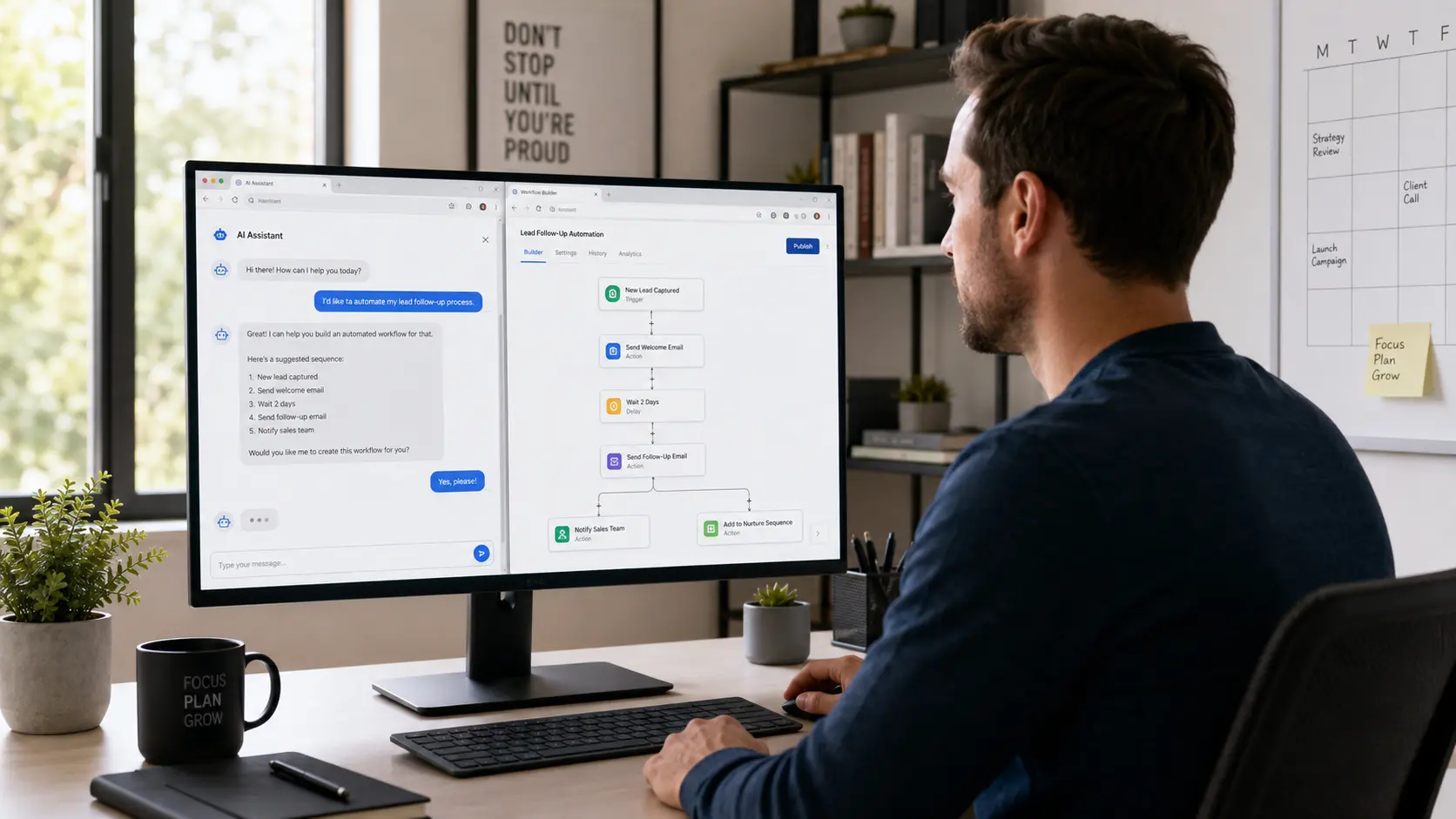
Most businesses focus on the Yeses and ignore the Maybes. But the Maybes are often your biggest long-term revenue opportunity. With the right nurture sequences — automated content and touchpoints designed to build trust over time — you can move Maybes toward a Yes without burning hours on unqualified calls.
The 'That's Me' Framework: Content That Creates Recognition
The most effective content doesn't describe what you do. It describes how your client feels. This is the foundation of what's known as the 'That's Me' framework.
The approach works by identifying the specific "stuck moments" your ideal client experiences — the exact phrases they use internally when they're frustrated, confused, or overwhelmed. When your content mirrors that language back to them, the reader's reaction is visceral: That's me. This person gets it.
To find this language, go where your clients already talk: forum threads, review sections, comment threads, DMs. Lift their exact words and use them in your content. This is not manipulation — it's empathy made visible.
Pair this with what are called empathy hooks — opening lines or content angles that lead with the reader's problem rather than your solution. The shift from "Here's what I offer" to "Here's what you're going through" is the difference between content that scrolls by and content that stops people cold.
Generalist vs. Specialist: How to Package Yourself
One of the most strategic decisions any service business faces is whether to position as a generalist or a specialist. The answer directly affects your pricing power, your referability, and the quality of leads your content attracts.
Three skill-stacking models help clarify this decision:
- T-skill model: One deep area of expertise with broad general knowledge. Good for specialists early in their career.
- π-skill (Pi-skill) model: Two deep areas of expertise. Particularly powerful when the two skills are complementary and rare in combination.
- Comb model: Multiple areas of genuine depth. Suited for experienced practitioners who serve complex, multi-dimensional client problems.
The key insight is that packaging yourself as a specialist — even within a niche — makes your content more targeted, your offer more compelling, and your pricing easier to justify. Generalists compete on availability; specialists compete on outcome and authority.
Why Writing Is Your Most Scalable Skill
Every element of this framework — the ICP, the quiz, the nurture sequence, the 'That's Me' content — depends on one underlying capability: clear, empathetic writing.
Writing is how you attract, qualify, and convert at scale. A well-written piece of content works while you sleep. A well-crafted quiz question routes hundreds of leads without a single call. A well-structured nurture email sequence builds trust across months without manual effort.
Investing in your writing — whether through practice, feedback, or working with a content partner — is investing in the engine that powers every other part of this system.
Frequently Asked Questions
What is the Content to Clients Blueprint?
The Content to Clients Blueprint is a structured framework for turning your existing content into a client acquisition system. It combines an Ideal Client Profile, a diagnostic quiz, a Yes/No/Maybe funnel, and empathy-driven content techniques to attract and convert the right leads without relying on pushy sales tactics.
How does a diagnostic quiz help with lead qualification?
A diagnostic quiz uses targeted, time-bound questions to reveal where a prospect is in their buying journey. Rather than getting on calls with everyone who shows interest, you can route Yeses to an offer, Nos out of your funnel, and Maybes into a nurture sequence — saving significant time and focusing your energy on the most promising leads.
What is the 'That's Me' framework and why does it work?
The 'That's Me' framework is a content creation approach built around mirroring the exact language and stuck moments your ideal client uses to describe their own problems. When your content reflects their inner experience back to them, it creates an immediate sense of recognition and trust, making them far more likely to engage and eventually buy.
What is the difference between a T-skill, π-skill, and comb model?
These are three skill-positioning models for service professionals. The T-skill model means one area of deep expertise with broad general knowledge. The π-skill (pi-skill) model means two complementary areas of deep expertise. The comb model means multiple deep skill areas. Each model helps you package your offer differently depending on your experience level and the complexity of problems your clients face.
Inspired by insights from The Futur. Adapted and expanded for the AskLibra audience.