

The Non-Scalable Business Model Behind 7-Figure Profits
Key Takeaways
- 1
A solopreneur generated multi-million dollar revenue with 91% profit margins by intentionally avoiding the traditional scaling playbook.
- 2
A simple 3-part content funnel, daily LinkedIn publishing, and pre-validated digital products form the core of this lean business model.
- 3
Prioritizing profit over headcount and lifestyle over scale can be a more sustainable path to wealth than chasing venture-backed growth.
Why 'Non-Scalable' Might Be the Smartest Business Strategy You Haven't Tried
Everything you've been told about building a successful business points in the same direction: hire a team, raise capital, scale fast, and optimize for revenue. But what if that entire framework is optional — and for many business owners, actually counterproductive?
There's a growing number of solopreneurs quietly building 7-figure businesses by doing the opposite. No venture capital. No department heads. No bloated payroll. Just one person, a focused content strategy, and profit margins that most funded startups will never touch.
This is the story of how that model works — and what you can take from it to build something leaner and more profitable than conventional wisdom would ever suggest.
The Burnout That Built a Better Model
The archetype here is someone who climbed the corporate ladder — in this case to VP of Sales — only to discover that the prestige came packaged with unsustainable pressure. Trading that burnout for freedom meant rejecting the very structures that define traditional business success: teams, investors, and growth-at-all-costs mentality.
The alternative wasn't a step down. It was a deliberate redesign. The goal shifted from maximum revenue to maximum profit per unit of effort — and that shift changes everything about how you build.
The 3-Part Funnel That Drives Consistent Sales
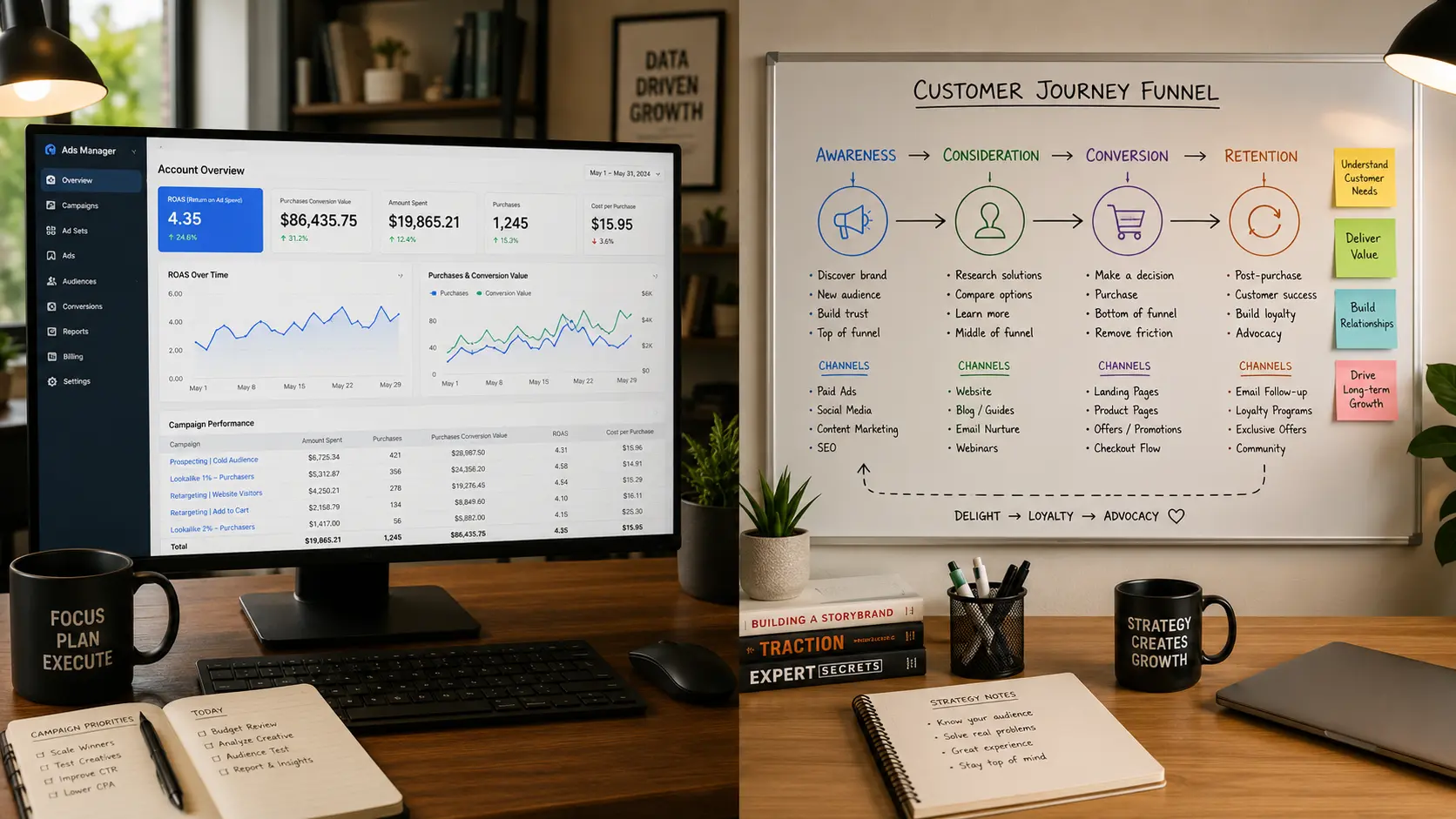
At the core of this model is what can be described as a simple 3-part funnel. It isn't complex, and that's precisely why it works.
- Content as the engine: Daily publishing on LinkedIn — over 2,200 consecutive days — functions as a perpetual top-of-funnel. Consistency here isn't inspiration; it's infrastructure. Every post compounds on the last, building authority and audience without paid acquisition.
- Free value as the bridge: The middle of the funnel converts casual readers into warm leads through high-value free resources — guides, newsletters, frameworks — that demonstrate expertise before asking for a sale.
- Digital products as the revenue layer: The bottom of the funnel is where digital courses and content products live. These are validated before they're built, priced for accessibility, and delivered without the operational overhead of a service-based business.
The elegance of this structure is that each layer feeds the next automatically. Content builds trust. Trust earns attention. Attention converts into product sales — without a sales team.
Validate Before You Build
One of the most costly mistakes in product creation is building something nobody buys. This model flips that risk entirely by validating products before significant time is invested in creating them.
Validation can be as simple as gauging audience response to a concept through content — if a post about a specific topic consistently outperforms your average, that's a signal. Pre-selling to a small segment, running a waitlist, or offering a beta version at a reduced price are all mechanisms that confirm demand before you commit to development.
This approach means your product roadmap is driven by your audience's actual behavior, not your assumptions about what they want.
Pricing for Global Accessibility
Pricing digital products for mass accessibility — rather than premium positioning — is a deliberate strategic choice in this model. The logic is straightforward: lower price points widen the addressable audience dramatically, increase volume, and reduce the sales friction that often stalls high-ticket conversions.
When your product is a digital course or downloadable resource with near-zero marginal cost to deliver, volume and margin coexist comfortably. A $100 product sold to 5,000 buyers generates the same gross revenue as a $5,000 product sold to 100 — but the former builds a far larger community and content ecosystem around your brand.
Revenue vs. Profit: The Metric That Actually Matters
Most business media celebrates revenue milestones. The solopreneur model reframes the entire conversation around profit — specifically, profit margins that make 7-figure revenue meaningful rather than cosmetic.
A 91% profit margin is only possible when your cost structure is stripped to essentials: your time, a content platform, and the tools to deliver digital products. No payroll. No office. No investor dilution. The result is that a fraction of the revenue a traditional business needs to sustain itself can fund an exceptional lifestyle for a solopreneur.
This is why comparing solopreneur revenue to agency or startup revenue misses the point entirely. The number that matters is what stays after costs — and in a lean digital business, almost everything stays.
Why Intentionally Non-Scalable Can Win
The business world treats 'non-scalable' as an insult. In reality, it's a design choice — and for the right operator, a competitive advantage.
When you remove the pressure to scale, you remove the complexity that scale creates. Decisions get faster. Overhead stays low. Quality stays high because one person is accountable for everything. And perhaps most importantly, the business remains aligned with the life you actually want to live.
Not every business should stay small. But for knowledge-based businesses built around personal expertise and content, intentional smallness can outperform growth for growth's sake — on every metric that matters to the owner.
Frequently Asked Questions
What does a 'non-scalable' business model actually mean?
A non-scalable business model is one that's deliberately designed to stay lean — typically run by one person or a very small team — without the infrastructure expansion that traditional scaling requires. It prioritizes high profit margins and lifestyle alignment over headcount growth or venture-backed expansion.
How does daily content publishing contribute to product sales?
Consistent daily publishing builds compounding authority and audience trust over time. Each piece of content functions as an entry point into your funnel, attracting new readers who eventually convert into buyers of your digital products — without requiring paid advertising or a sales team.
Is product validation before building really practical for small creators?
Yes, and it's one of the most important risk-reduction moves available to a small creator or solopreneur. Simple validation tactics include posting about your concept and measuring audience engagement, running a pre-sale or waitlist, or offering a beta version to a small group before investing in a full build.
Can this model work in niches outside of business and entrepreneurship content?
Absolutely. The underlying model — consistent content, a simple funnel, pre-validated digital products, and lean operations — applies to any niche where you have genuine expertise and an audience willing to pay to learn from you. The principles transfer across industries from fitness and finance to design and language learning.
Inspired by insights from Kajabi. Adapted and expanded for the AskLibra audience.