

What Should I Post Next on YouTube?
Key Takeaways
- 1
Use your own channel data — watch time, CTR, and comments — to surface what your audience already wants more of.
- 2
Apply a simple 3-filter decision framework: proven demand, content gap, and creator readiness.
- 3
Avoid the blank-page trap by treating past performance as a map, not a mystery.
The Answer in One Paragraph
The best next YouTube video is the one that sits at the intersection of three things: something your audience has already signaled they want, a topic your channel hasn't fully covered yet, and a video you can make well right now. If you pick based on gut feeling or trending topics alone, you are guessing. If you pick based on your own performance data plus audience signals, you are making a decision.
Why Most Creators Get Stuck on What to Post
The blank-page problem on YouTube is not a creativity problem, it is an information problem. Most creators get stuck because they are staring at topic ideas instead of staring at evidence. Your past videos already contain a map. The question is whether you know how to read it.
The two most common mistakes are: posting whatever feels exciting in the moment, or copying what larger creators just posted. Both approaches ignore the most useful data available to you, your own channel's performance history and your audience's actual behavior.
If you want a structured approach to reading that data, How to Use Data to See What Your YouTube Channel Needs walks through exactly how to interpret the signals your analytics are already sending.
The 3-Filter Decision Framework
Before picking your next video, run any topic idea through these three filters in order. If an idea fails any filter, set it aside.
Filter 1 - Proven Demand: Has your audience already shown interest in this topic? Look at comments, community tab replies, watch time on related videos, and search terms that brought people to your channel. If there is evidence the audience wants this, it passes. If you are just assuming they will, it does not.
Filter 2 - Content Gap: Have you already covered this topic well? If yes, either find a fresh angle or move to a different idea. If no, this is a real opportunity. Content gaps are topics your audience cares about that you have not addressed or have only touched briefly. A strong content pillar strategy helps you map these gaps systematically so you are never guessing what territory you have left to cover.
Filter 3 - Creator Readiness: Can you make this video at a quality level that represents your channel well, right now? If you need equipment, research, or access you do not have yet, schedule it for later and pick something you can execute at full quality today. A well-made video on a slightly less exciting topic will always outperform a rushed video on a great topic.
How to Use Your Existing Data as a Starting Point
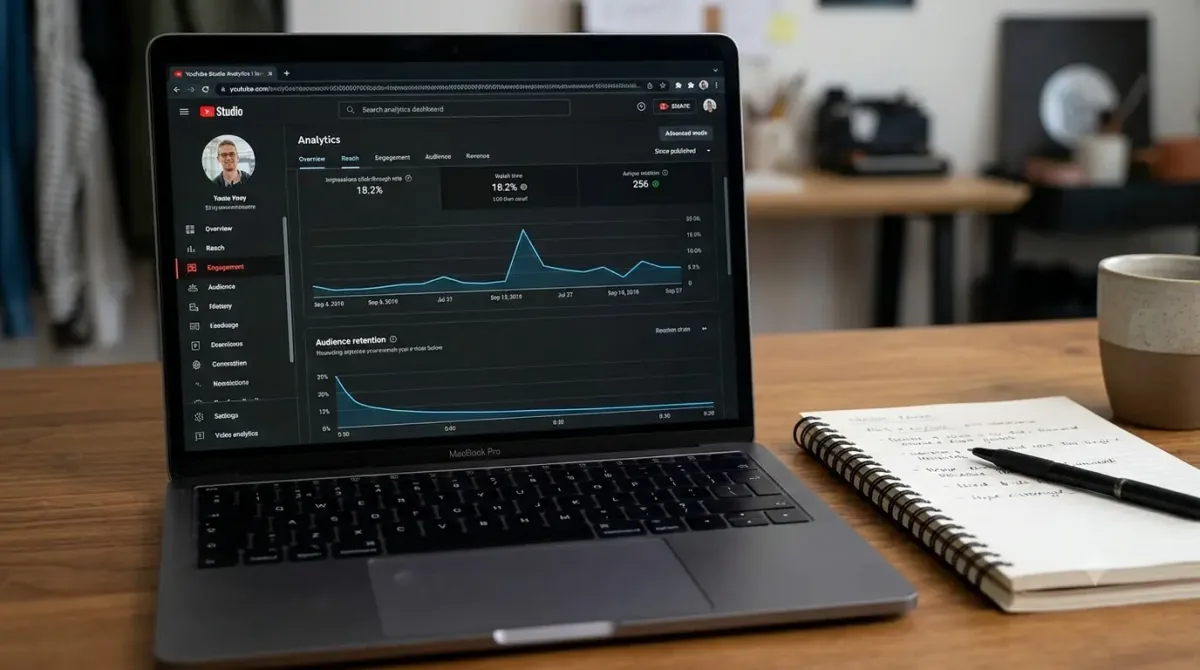
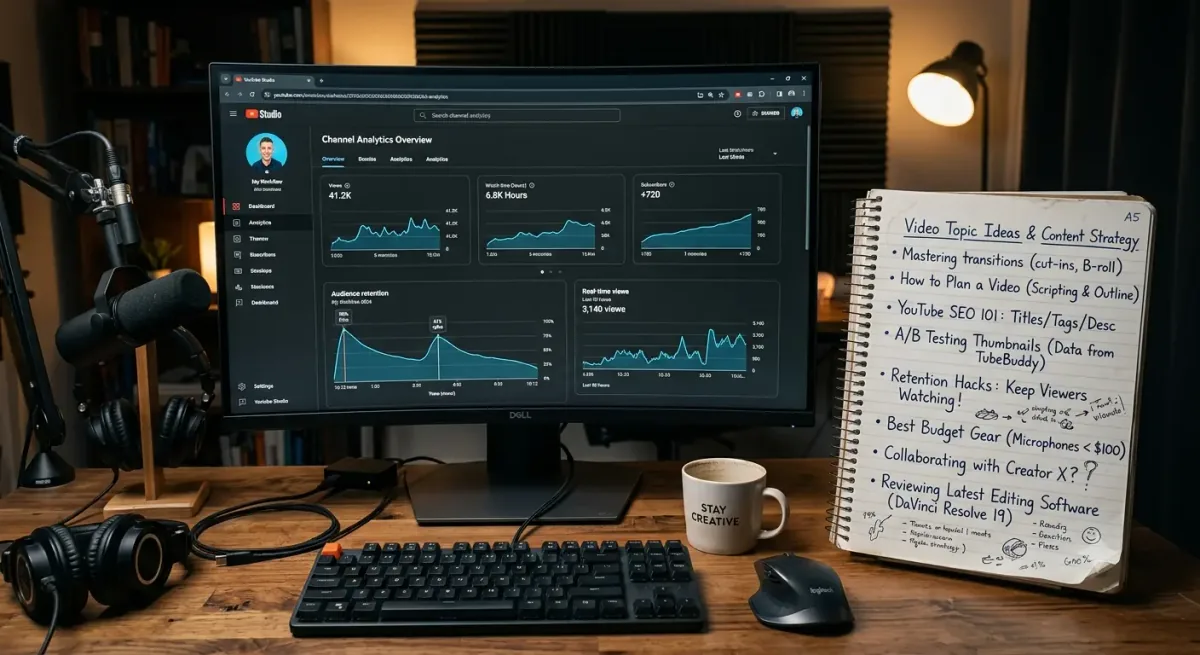
Open YouTube Studio and look at your last 20 to 30 videos. Sort by watch time percentage, not just raw views. Videos with high average view duration, meaning people watched most of the way through, are telling you something important: that topic, format, or angle held attention. That is your clearest signal of what to post more of.
Next, look at your top-performing videos by click-through rate (CTR) - the percentage of people who saw your thumbnail and title and clicked. High CTR means the topic or framing attracted curiosity. Combined with high watch time, that is a strong signal for a follow-up video or a related angle.
Finally, read your comments on those top performers. Comments that ask follow-up questions, request part twos, or mention related problems your video did not solve are direct content briefs from your audience. They are telling you exactly what to post next. For a deeper look at how emotional engagement in comments connects to what YouTube promotes, see How Viewer Emotion Shapes What YouTube Promotes.
What If You Have No Strong Data Yet?
If your channel is newer and you do not have enough data to draw clear patterns, use a modified approach. Start with the topic category your channel is built around and pick the most specific, answerable question inside that category. Specific beats broad every time for new channels, partly because it is easier to rank and be discovered, and partly because it trains you to create with a clear audience outcome in mind.
You should also pay close attention to how you open each video. A strong hook is what converts a click into a watch. If you are not sure how to structure one, What is a YouTube Hook and How Long Should It Be? gives you a practical framework to work from.
Short-Form vs. Long-Form: Does Format Change the Decision?
Yes, and it is worth separating the two decisions. Choosing a topic and choosing a format are different choices. A topic that works as a long-form video may not work as a Short, and vice versa. Shorts tend to perform best on topics with a single punchy insight, a visual payoff, or a strong hook in the first two seconds. Long-form works better for topics that require context, step-by-step instruction, or emotional investment over time.
If you are deciding whether a topic belongs in a Short or a full video, YouTube Shorts vs Long-Form: How to Decide What to Post breaks down that decision clearly.
A Practical Checklist Before You Start Filming
Is there evidence my audience wants this topic? (Comments, search terms, past performance on related videos)
Does this fill a gap in my content, or am I repeating myself?
Can I open this video with a hook that makes someone want to keep watching?
Am I choosing this topic because of data, or because it feels comfortable?
Do I have a clear outcome for the viewer — what will they know or be able to do after watching?
Is this the right format — long-form or Short — for how this topic is best delivered?
What to Do Next
Pull up your YouTube Studio analytics right now. Find your top three videos by watch time percentage. Write down the topic, format, and angle of each one. Then ask: what question does each of those videos leave unanswered? That unanswered question is almost always your next video. If you want a more structured system for making these decisions consistently rather than video by video, the article on Why "Post Consistently" Is Bad Advice — And What to Do Instead reframes how to think about your posting decisions at a strategic level.
Frequently Asked Questions
How do I find out what my YouTube audience wants to see next?
Check your comments for follow-up questions, look at which videos have the highest watch time percentage in YouTube Studio, and review any search terms that brought viewers to your channel. These three sources give you direct evidence of audience demand rather than assumptions.
Should I post a follow-up to a video that performed well?
Yes, if there is a genuine content gap to fill. A follow-up works best when the original video left a real question unanswered or only covered one angle of a larger topic. Avoid making a follow-up just to chase views, it needs to deliver new value to the viewer.
Is it better to post something trending or something my audience has asked for?
Default to what your audience has asked for. Trending topics can bring short-term spikes in views from people who are not your core audience, which can hurt your long-term retention metrics. Audience-requested content builds loyalty and typically performs better over time on smaller and mid-sized channels.
How often should I be making these topic decisions?
Ideally, you should review your analytics and plan your next two to three video topics at the same time, not one at a time. This prevents blank-page paralysis and lets you spot patterns across multiple videos. Batching your topic decisions once every one to two weeks is more effective than deciding on the fly before each shoot.
What if every idea I have feels like it has been done before?
Every topic has been covered, but not from your specific angle, experience, or audience context. The goal is not to find an untouched topic; it is to find the best version of a proven topic for your specific viewer. Specificity, personal experience, and a clearly defined viewer outcome are what make a "done before" topic feel fresh and worth watching.
Ready to see what the data says about your channel?
Stop guessing. Use AskLibra to get a personalized 90-day growth gameplan and find your perfect posting window.
No credit card required • Join 2,000+ creators