
What is Zero-Click Search and How Does It Affect Creator Discoverability?
Key Takeaways
- 1
Zero-click search occurs when a search engine answers a query directly on the results page, meaning the user never visits any website — a direct threat to creators who rely on organic traffic from Google and YouTube.
- 2
Generative search engines like ChatGPT and Perplexity are accelerating zero-click behavior by surfacing synthesized answers, making it critical for creators to optimize for citations rather than clicks alone.
- 3
Creators who build topical authority through structured, in-depth content are far more likely to be cited by AI search engines — converting zero-click exposure into brand recognition and channel growth.
- 4
Diversifying discoverability across YouTube search, social platforms, and direct community channels reduces a creator's dependency on Google traffic and provides resilience against zero-click erosion.
The Search Result That Never Sends Anyone Anywhere
Imagine spending three hours writing a detailed guide, optimizing every heading, and publishing it — only to have Google answer that exact question in a highlighted box at the top of the results page. Nobody clicks. Nobody visits. The search is resolved in ten seconds, and your content sits untouched. This is zero-click search: a search query that is answered directly on the search engine results page (SERP), eliminating the need for the user to visit any external site.
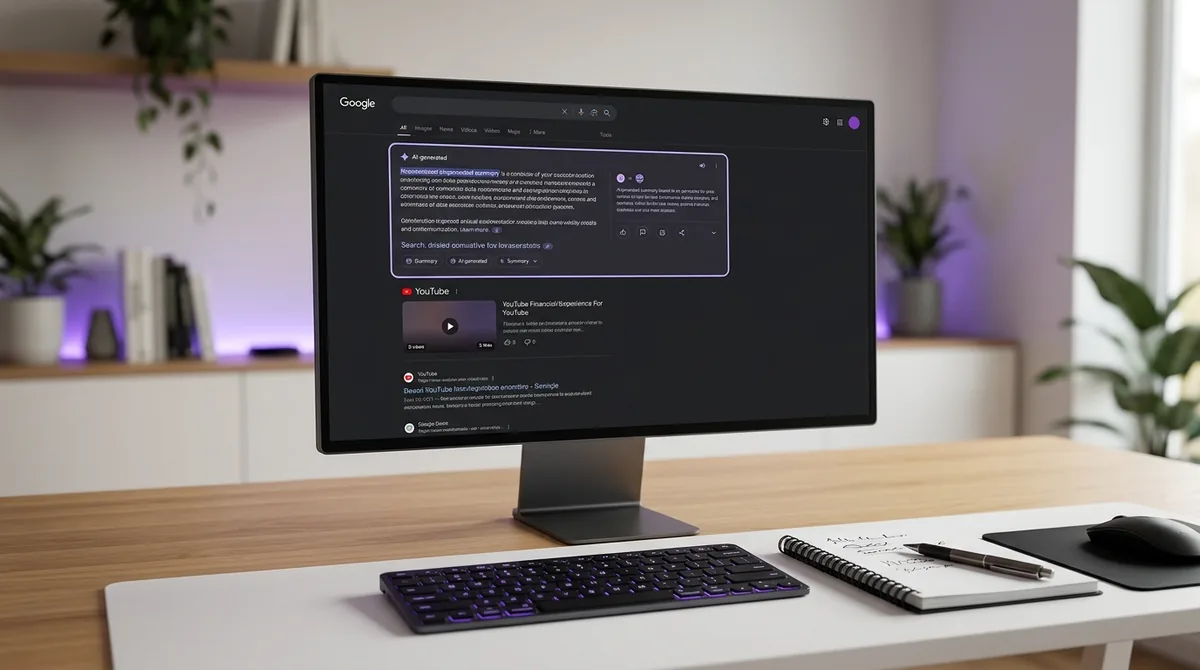
Zero-click results include featured snippets (the answer boxes at the top of Google), knowledge panels (the information cards on the right side of the page), People Also Ask dropdowns, and, increasingly, the AI-generated summaries now appearing on Google, Bing, and standalone tools like ChatGPT and Perplexity. For creators who built their discoverability on Google search traffic feeding into their YouTube channels or websites, this shift is one of the most consequential changes of the decade.
How Big Is the Zero-Click Problem?
Studies tracking search behavior have consistently found that a majority of Google searches — across desktop and mobile — now end without a single click to an external website. Mobile searches are especially vulnerable, with zero-click rates exceeding 60% in some analyses. The pattern is clear: as search engines get better at answering questions, fewer people need to leave the page to find what they came for.
For creators, this matters because the traditional discoverability funnel looked like this: a viewer searches a topic, finds a creator's blog post or video link, clicks through, watches, and subscribes. Zero-click search breaks the first link in that chain. If the answer appears on the SERP before any result is clicked, that viewer may never discover your channel exists.
Generative Search Is Accelerating the Shift
Traditional featured snippets pulled a sentence or paragraph from a single source. Generative search — powered by large language models — synthesizes answers from dozens of sources simultaneously, presenting a polished, conversational response. Tools like ChatGPT, Perplexity, and Google's AI Overviews do not simply quote a page; they reconstruct the information, often crediting sources only with a small citation link at the end of the response.
This creates a new discoverability dynamic. A creator's content can inform a generative answer that reaches thousands of users — and if that creator is cited, their name, channel, or website appears in front of an already-engaged audience. But if the content is not structured in a way that AI systems can parse and trust, it will be used without attribution, or ignored entirely. Understanding What is Generative Search Optimization (GSO) and why should creators care? is now a core skill for any creator who wants to remain visible in this environment.
For a deeper look at how these systems decide whose content to surface and cite, see How AI Search Engines Like ChatGPT and Perplexity Decide Which Sites to Cite.
What Zero-Click Search Means Specifically for YouTube Creators
YouTube creators face zero-click pressure from two directions at once. First, Google search is increasingly resolving queries that used to surface YouTube videos — cooking techniques, tutorial walkthroughs, quick how-to answers — with AI summaries or snippets, reducing the click-through traffic to video content. Second, YouTube's own search engine has become more aggressive about surfacing answers through Shorts, chapter previews, and in-page descriptions, meaning viewers can sometimes extract the information they need without watching the full video.
Click-through rate (CTR) — the percentage of people who see a thumbnail or search result and click on it — is already a pressure point for most creators. Zero-click behavior depresses CTR at the top of the funnel even before the thumbnail battle begins. For a grounded understanding of why CTR is so central to channel growth, What is YouTube CTR and why does it control your channel's growth? breaks down the mechanics in full.
The Creators Who Win in a Zero-Click World
Zero-click search does not make creators irrelevant. It changes the currency. Where clicks were once the primary measure of discoverability success, citation and brand recognition are now equally important. A creator who is mentioned by name inside a ChatGPT answer, or whose video is referenced in a Perplexity response, gains authority even without a click. That name recognition builds search demand — people later searching specifically for that creator's content rather than the generic topic.
The creators best positioned for this environment share three characteristics:
1. They Build Topical Depth, Not Just Individual Videos
AI search systems favor sources that demonstrate topical authority — consistent, in-depth coverage of a subject area rather than isolated viral moments. A channel that has published 30 well-structured videos on personal finance tax strategy is far more likely to be cited in a generative answer about tax optimization than a channel that has one popular video on the same topic. This aligns with the broader philosophy explored in The Death of the "Viral Hack": sustainable discoverability comes from compounding content credibility, not one-off hits.
2. They Structure Their Content for Machines and Humans
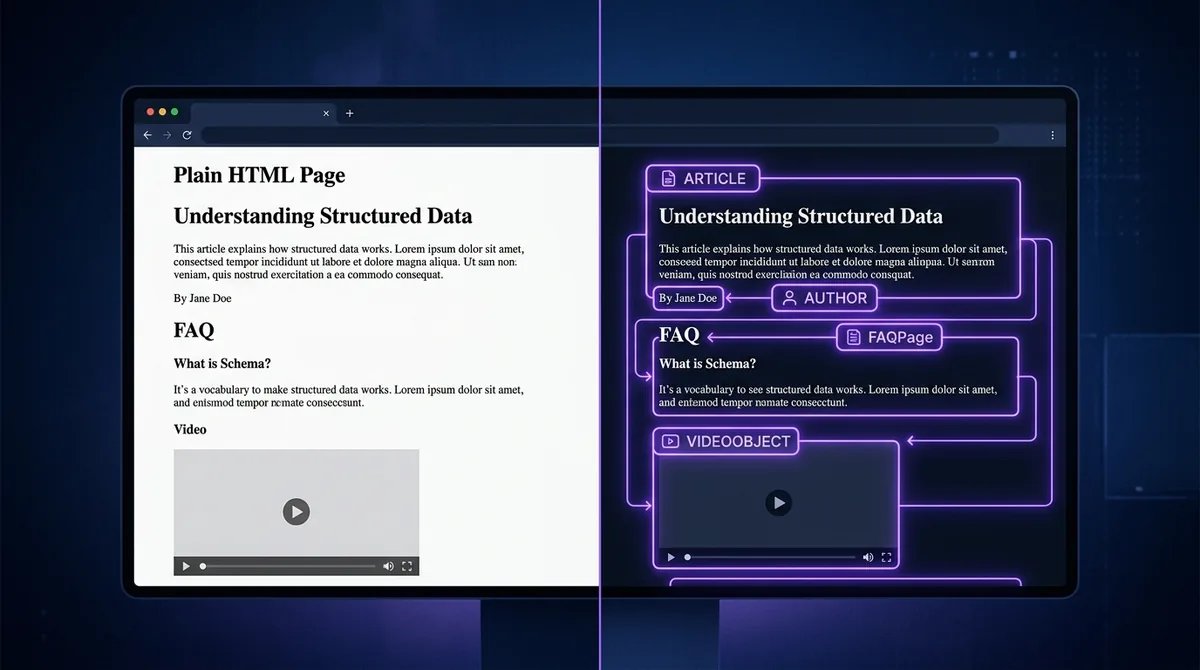
Generative AI systems parse content by looking for clear question-and-answer structures, defined terms, and unambiguous claims. Creators who use descriptive headings, define jargon on first use, and answer questions directly in the first paragraph of a video description or article are far more parseable — and therefore far more citable. This is not about keyword stuffing; it is about clarity of communication. The same clarity that helps a viewer understand your point in the first 30 seconds of a video also helps an AI system extract a citable fact from your written content.
3. They Diversify Their Discovery Channels
Relying on a single traffic source — whether Google search, YouTube browse, or social referral — makes a creator brittle. Zero-click search is reducing the reliability of one of those sources. Creators who have built direct community channels (email newsletters, Discord servers, Patreon communities) and cross-platform presence maintain discoverability even as individual search channels contract. How to Find Your Best Posting Time on YouTube Using Your Own Data illustrates how optimizing even one platform-specific variable — posting schedule — using your own channel analytics can compound into meaningful, measurable reach improvements.
Turning Zero-Click Exposure Into Channel Growth
The practical response to zero-click search is not to fight it — it is to design content that benefits from it. When your video or article is the source behind a featured snippet or an AI citation, your channel name appears in front of a highly relevant audience. The goal is to convert that passive brand exposure into active search behavior: viewers who see your name cited going on to search specifically for your channel.
This means your channel name, your consistent area of expertise, and your content format all need to be recognizable and memorable enough to prompt a direct search. A creator known as "the person who explains mortgage rates in plain language" is far more searchable after a zero-click exposure than a creator whose brand is diffuse or topic-agnostic.
Analyzing which of your videos already drive direct search traffic — not just browse or suggested traffic — is one of the most valuable exercises a creator can do. What 90 Days of YouTube Data Actually Reveals About Content Performance explains how a sustained look at your own channel data reveals patterns in how viewers find you, which informs exactly the kind of content positioning that survives zero-click erosion.
The Format Dimension: Not All Content Is Equally Affected
Different content formats face different levels of zero-click risk. Quick factual queries — "what is the capital of France," "how many calories in an avocado" — are almost entirely resolved by zero-click results. Tutorial-style content requiring demonstration, personality-driven commentary, and long-form analysis are harder to synthesize and far more resistant to zero-click displacement. Based on AskLibra data from 4 connected channels and 511 videos analyzed, longform video content maintains meaningful engagement at an average rate of 0.0226 — outperforming short-form in sustained viewer interaction — suggesting that depth of content remains a durable differentiator even as surface-level queries are absorbed by search engines.
Creators who lean into formats that require presence, demonstration, or nuanced judgment — rather than formats that simply deliver a fact — are building a natural moat against zero-click displacement. Short-Form Learning (Micro-Lessons): The Creator's Guide to Teaching in 60 Seconds or Less explores how even short content can be structured to deliver genuine depth rather than surface-level answers that AI can easily replicate.
What Creators Should Do Starting This Week
The actionable response to zero-click search involves three concrete steps. First, audit your top ten traffic-driving videos and identify which ones answer questions that could now be resolved by a featured snippet — these are your highest-risk assets, and they need to be repositioned around depth and personality rather than simple answers. Second, ensure your video descriptions, chapter titles, and article headings use clear, specific language that defines terms and structures your argument in a way AI systems can parse and credit. Third, begin building or strengthening one direct community channel — email list, newsletter, or platform community — so that you have an audience relationship that does not depend on search at all.
For a broader look at which tools support this kind of data-informed positioning, AskLibra vs TubeBuddy vs VidIQ: Which Tool Actually Helps You Grow? provides a direct comparison of how analytics platforms help creators respond to exactly these kinds of platform-level shifts.
Frequently Asked Questions
What exactly is a zero-click search result?
A zero-click search result is any search engine response that fully answers a user's query on the results page itself, so the user has no reason to click through to an external website or video. Common examples include Google's featured snippets, knowledge panels, and AI-generated overview summaries at the top of the results page.
Does zero-click search affect YouTube videos the same way it affects websites?
Yes, though the mechanisms differ slightly. Google search increasingly resolves queries that previously surfaced YouTube tutorials using AI summaries, reducing click-through to video content. Within YouTube itself, features like chapter previews and AI-generated descriptions can sometimes let viewers extract key information without watching the full video, which affects watch time and retention metrics.
Can a creator actually benefit from zero-click search?
Yes. When a creator's content is cited as a source inside a featured snippet or AI-generated answer, their name and brand are exposed to a highly relevant audience. Even without a click, that exposure builds name recognition, which can drive direct searches for the creator's channel later. The key is producing content that is authoritative and structured enough to earn that citation.
What types of content are least vulnerable to zero-click search?
Content that requires personality, demonstration, storytelling, or sustained argument is hardest for search engines to synthesize into a single answer box. Long-form tutorials, commentary, and community-driven content formats have a natural resilience to zero-click displacement because they deliver value through experience and depth rather than through a discrete, extractable fact.
How do I know if zero-click search is already hurting my channel's discoverability?
Check your YouTube Studio traffic sources over the past 6-12 months. If your "Google search" or "YouTube search" traffic share is declining while your video output remains consistent, zero-click behavior may be a contributing factor. Cross-reference which specific videos are losing search-driven impressions and look at whether those topics are now appearing in AI-generated answer boxes on Google.
Ready to see what the data says about your channel?
Stop guessing. Use AskLibra to get a personalized 90-day growth gameplan and find your perfect posting window.
No credit card required • Join 2,000+ creators