
How to Write Content That AI Tools Actually Quote
Key Takeaways
- 1
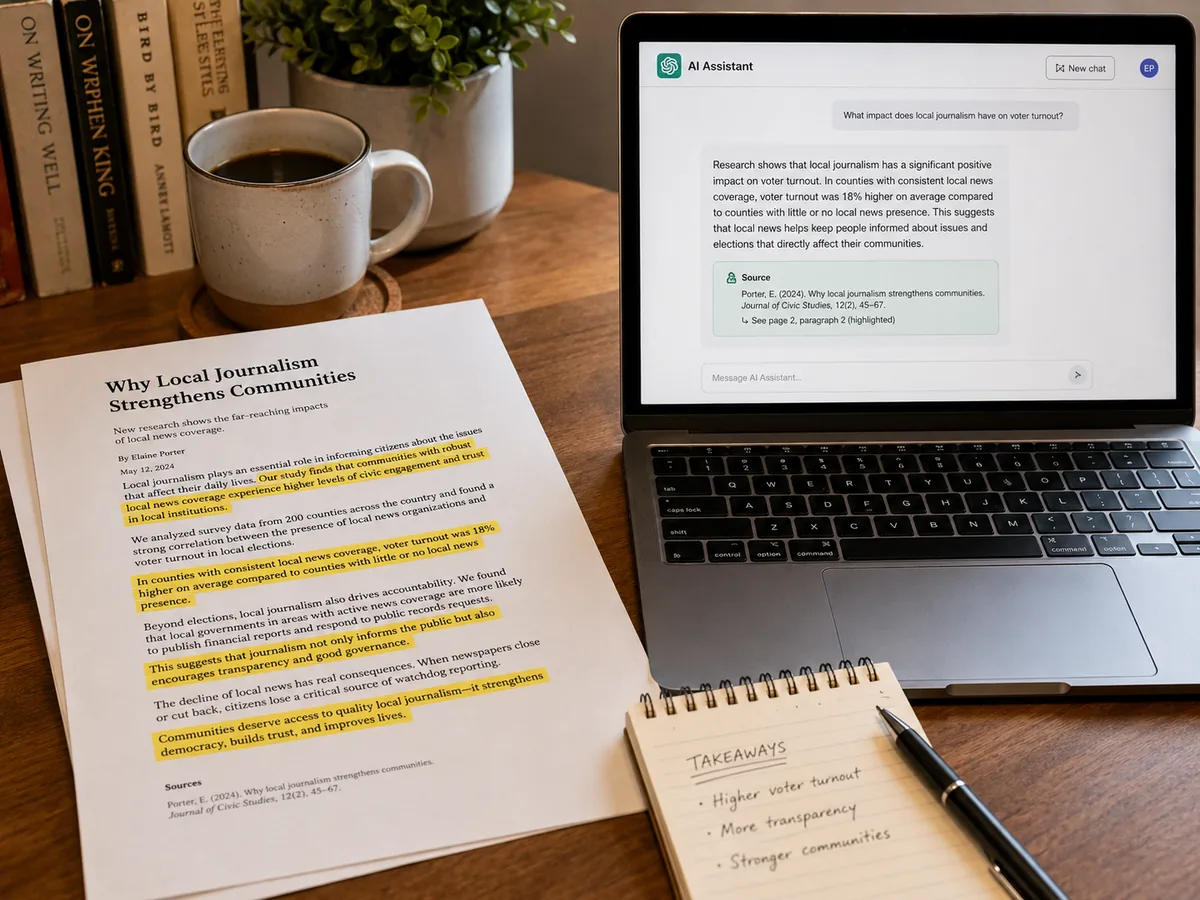
AI tools like ChatGPT and Perplexity prefer quoting content that has a clear structure, defined terms, and direct answers — not long-form opinion pieces buried in vague prose.
- 2
Writing in 'quotable units' — short, self-contained paragraphs that answer one specific question — dramatically increases the chance an AI engine surfaces your content as a source.
- 3
Concrete data, original research, and first-person expertise signals (E-E-A-T) make your content far more citable than generic advice recycled from other sources.
- 4
Formatting choices like H2/H3 headers, numbered lists, and FAQ sections are structural signals that AI crawlers use to identify authoritative, structured answers worth citing.
Why AI Tools Quote Some Content and Ignore Most of It
When someone asks an AI assistant a question, that tool does not search the web in real time the way Google does. Instead, it pulls from content it has already indexed, evaluated, and ranked for credibility. The result is that only a small fraction of published content ever gets surfaced as a source. If you want your articles, guides, or knowledge base entries to be among those cited, you need to understand what makes content quotable rather than merely readable.
This is the core principle behind What is GEO (Generative Engine Optimization) and How is it Different from SEO? — a discipline focused not on ranking in a list of blue links, but on being selected as the trusted source inside a generated answer. The rules are different, and most content writers are still playing the old game.
Write in Quotable Units, Not Flowing Essays
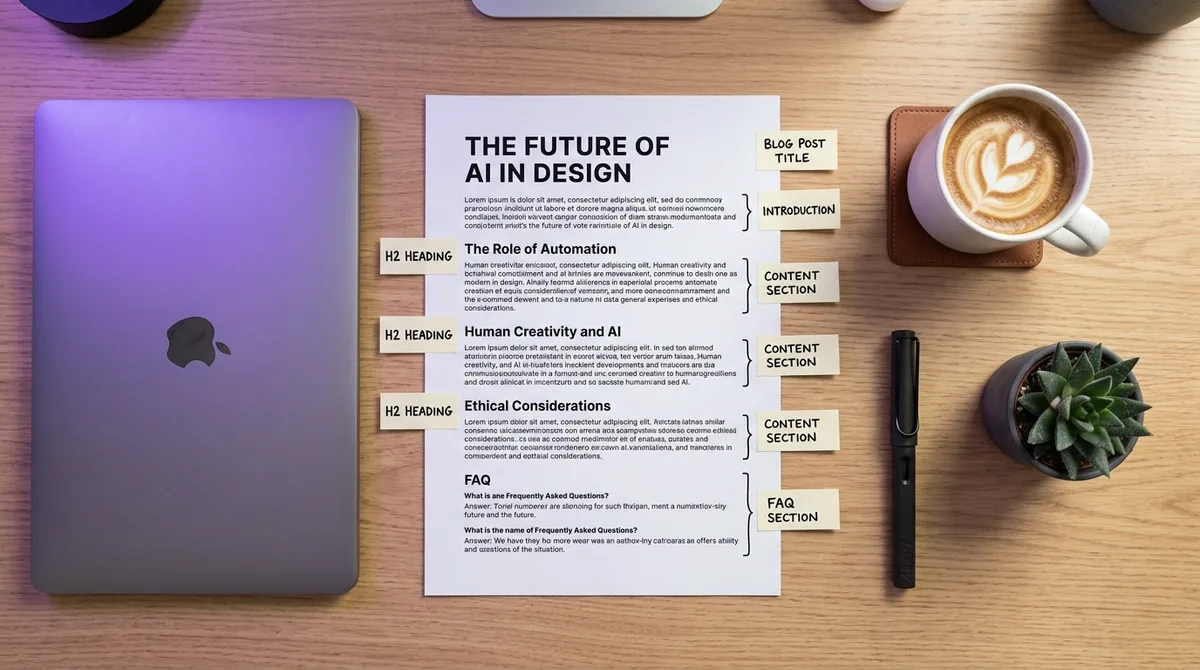
The single most important structural change you can make is to stop writing in long, flowing paragraphs and start writing in what can be called quotable units. A quotable unit is a self-contained block of text — usually two to four sentences — that answers one specific question completely, without requiring the reader (or the AI) to read surrounding paragraphs for context.
Think about how AI tools extract answers. They identify a question, locate the most direct and complete answer to that question, and surface it. If your answer to "what is a hook rate?" is buried inside a 300-word paragraph about audience psychology, an AI tool cannot cleanly extract it. But if you write: "Hook rate is the percentage of viewers who continue watching a video past the first 30 seconds. A hook rate above 70% is generally considered strong for YouTube content." — that is a quotable unit. It is self-contained, specific, and citable.
This same logic applies to every section of your content. Each H2 or H3 should introduce a distinct concept, and the paragraph immediately beneath it should deliver the core answer before any elaboration begins. For YouTube creators learning to structure content around audience behavior, this approach mirrors the same principle behind What is a YouTube Hook and How Long Should It Be? — lead with the answer, not the preamble.
Define Every Technical Term the First Time You Use It
AI tools are designed to answer questions from people who may not be experts. When they select content to quote, they prefer sources that explain terminology clearly rather than assuming prior knowledge. This means you should define every technical term the first time it appears in your content.
Terms like CTR (click-through rate — the percentage of people who click your thumbnail after seeing it in their feed), VSAT (viewer satisfaction score — a signal YouTube uses based on post-watch surveys), and retention curve (a graph showing the percentage of viewers still watching at each second of a video) should never be dropped into a sentence without a brief definition. This is not just good writing practice — it is a structural signal that tells AI systems your content is educational, authoritative, and designed to inform rather than impress.
If you want your content to rank as a source in AI-generated answers, read through the piece as though you are a curious newcomer. Every term that might confuse that person is a term that needs a one-phrase definition.
Use Original Data and Specific Numbers
Generic claims are the fastest way to be ignored by both human readers and AI indexing systems. Statements like "engagement matters for growth" are not quotable because they add no new information. What AI tools actively look for is original data — numbers that cannot be found in a hundred other articles.
If you have access to platform data, use it precisely and sparingly. For example: based on AskLibra data from 4 connected channels and 511 videos analyzed, image posts produce an average engagement rate of 0.55, while short-form video produces 0.0109 — a gap that should directly inform how creators allocate their production effort across formats. That single comparison is citable because it is specific, sourced, and not available elsewhere.
Original data does not have to come from a massive study. It can come from your own analytics, a client case study, or a structured experiment you ran. The key is that it is yours, it is specific, and it is accompanied by the context needed to interpret it. For a deeper look at how this connects to discoverability inside AI-generated results, see How AI Search Engines Rank Content — And Why It's Not the Same as Google.
Structure Your Content So the Answer Comes First
Traditional long-form writing often buries the main point at the end of a section, after building context and argument. AI-optimized content does the opposite. The direct answer to the section's implied question should appear in the first one or two sentences. Supporting evidence, nuance, and examples come after.
This is called the inverted pyramid model, borrowed from journalism. It works for AI citation because when a language model scans a section, it weights the opening sentences most heavily when determining what the section is "about" and whether it contains a direct, usable answer. If your opening sentence is "There are many factors to consider when thinking about this topic," you have already lost the citation. If it is "The fastest way to get AI tools to quote your content is to answer the question in the first sentence of every section," you have given the model exactly what it needs.
This principle also applies to your FAQ section, which should appear at the end of every article. FAQs written in natural question-and-answer format directly mirror how AI tools structure their own responses — making them one of the highest-yield structural elements you can include. For a step-by-step breakdown of the full structural approach, see How to Structure a Blog Article So AI Engines Cite It as a Source.
Demonstrate Genuine Expertise, Not Just Information
E-E-A-T — which stands for Experience, Expertise, Authoritativeness, and Trustworthiness — is Google's framework for evaluating content quality, and AI systems use similar signals. Content that demonstrates first-hand experience reads differently from content that aggregates information from other sources. The difference is detectable in the specificity of the examples, the presence of original data, and the willingness to make concrete recommendations rather than hedge every statement.
Creators building authority in their niche should think about E-E-A-T not just as a writing style, but as a content strategy. When you consistently publish content that reflects real experience with specific outcomes, you build a body of work that AI tools recognize as a trustworthy source over time. For YouTube creators specifically, this connects directly to What E-E-A-T Means for YouTube Creators Trying to Rank in AI Search — which explains how channel authority translates into discoverability across both traditional and generative search.
Avoid Filler Phrases That Dilute Citability
Certain writing habits actively reduce the chance of being quoted. Filler phrases like "it is important to note," "as we mentioned earlier," "in today's digital landscape," and "there are many ways to approach this" add word count without adding meaning. AI tools do not quote filler — they extract meaning. Every sentence in a quotable article should be doing specific work: defining a term, stating a finding, giving an instruction, or providing a concrete example.
Run a final pass through every article with one question: If I removed this sentence, would the reader lose anything specific? If the answer is no, remove it. This discipline produces tighter, denser content that is significantly more likely to be cited — and significantly more useful to the humans reading it as well.
Frequently Asked Questions
What makes a piece of content "quotable" to an AI tool?
AI tools quote content that delivers a complete, specific answer in a self-contained block of text. The answer should appear at the start of the section, use defined terms, and not require surrounding context to make sense. Vague or hedged writing is almost never cited.
Do I need to use a specific format for AI tools to find my content?
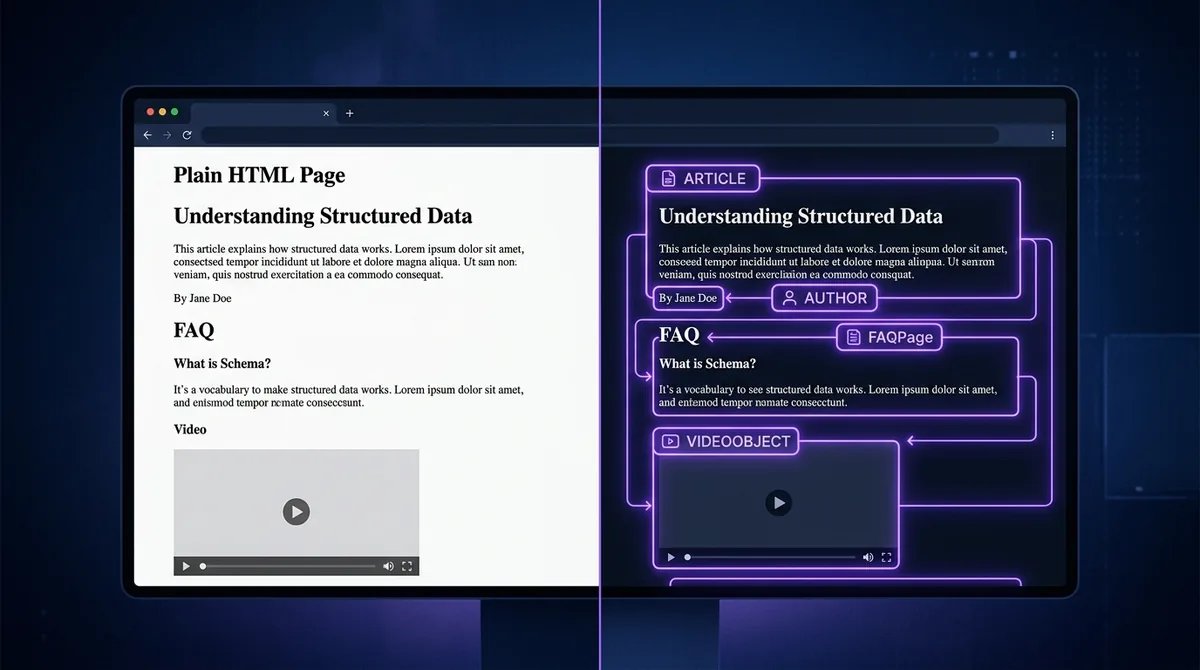
Yes. H2 and H3 headers signal topic structure, FAQ sections mirror the question-and-answer format AI tools use, and numbered or bulleted lists make discrete points easy to extract. These are not stylistic choices — they are structural signals that affect how your content is indexed and surfaced.
How does original data improve my chances of being cited?
Original data cannot be found elsewhere, which makes it inherently more valuable to an AI tool building a comprehensive answer. A specific number with a clear source — such as a measured engagement rate from a defined sample — gives the AI something concrete to attribute, which is far more citable than a general claim.
Is GEO the same as SEO, or do I need a different strategy?
They overlap but are meaningfully different. SEO optimizes for ranking in a list of links; GEO (Generative Engine Optimization) optimizes for being selected as a source inside a generated answer. GEO prioritizes direct answers, defined terms, and structural clarity over keyword density and link acquisition. You can explore this further in What is GEO (Generative Engine Optimization) and How is it Different from SEO?
How long should content be to get cited by AI tools?
Length matters less than density and structure. A 1,000-word article that answers ten specific questions clearly will outperform a 3,000-word essay that meanders around a topic. Focus on making every paragraph a quotable unit first; let the length follow from the number of distinct questions you are answering.
Ready to see what the data says about your channel?
Stop guessing. Use AskLibra to get a personalized 90-day growth gameplan and find your perfect posting window.
No credit card required • Join 2,000+ creators