
What is GEO (Generative Engine Optimization) and How is it Different from SEO?
Key Takeaways
- 1
GEO (Generative Engine Optimization) is the practice of structuring content so that AI-powered answer engines like ChatGPT, Perplexity, and Google's AI Overviews cite your content as a source — not just rank it on a results page.
- 2
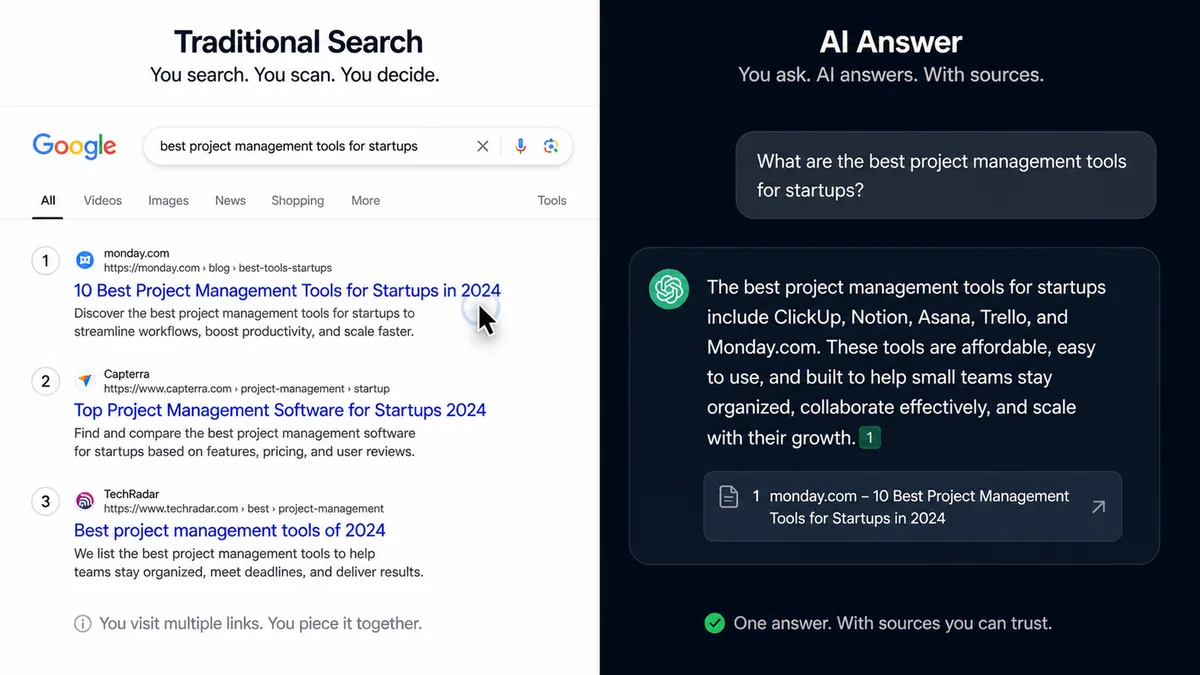
Traditional SEO wins clicks by ranking high on a search results page; GEO wins visibility by getting your exact words, data, or explanations quoted inside an AI-generated answer where no click is required.
- 3
Creators who publish clear definitions, original data, and direct answers to specific questions are far more likely to be cited by generative engines than those who write vague, keyword-stuffed articles.
- 4
For YouTube creators, combining GEO-optimized written content with strong channel authority creates a compounding visibility advantage across both traditional search and AI-generated results.
Two Different Games: Ranking vs. Being Cited
For years, creators and marketers played one game online: get your page to appear at the top of a Google search results page. That game is called SEO (Search Engine Optimization) — the practice of structuring content, earning backlinks, and targeting keywords so a search engine ranks your page above competitors. The goal is a click. Someone sees your blue link, clicks it, and lands on your site.
GEO — Generative Engine Optimization — is an entirely different game with a different scoreboard. GEO is the practice of structuring content so that AI-powered answer engines like ChatGPT, Perplexity, Google's AI Overviews, and Microsoft Copilot pull your content into their generated answers and cite you as a source. The user may never click your link. Instead, your explanation, your data point, or your definition appears directly inside the AI's response. That is the new form of visibility.
Understanding this distinction is not optional for creators building a long-term audience. To go deeper on how this affects your discoverability, read What is Zero-Click Search and How Does It Affect Creator Discoverability?
How SEO Works (And Where It Falls Short)
Traditional SEO operates on a clear mechanism: search engines crawl your page, evaluate signals like keyword relevance, page authority, backlinks, and user engagement, then assign your page a rank in a list of results. Success is measured in rankings, organic traffic, and click-through rate (CTR — the percentage of people who see your link and click it).
SEO rewards pages that are findable. A well-optimized page answers a question in a way that matches what a user typed into a search bar. But the model assumes the user will leave the search engine to visit your page. That assumption is now breaking down. More searches end without a click, especially when an AI engine synthesizes the answer on the spot.
For YouTube creators specifically, SEO has traditionally meant optimizing video titles, descriptions, and tags so videos appear in YouTube search results or Google video carousels. That still matters. But it is no longer the complete picture. Learn more about crafting titles that earn clicks with How to Write a YouTube Video Title That Gets Clicked.
How GEO Works: The Mechanics of Being Cited
Generative engines do not rank pages. They read thousands of documents, identify the most credible, specific, and clearly structured explanations, and then synthesize a single answer. When they quote or paraphrase a source, that source gets a citation — a mention that can drive brand recognition and traffic even without a direct click.
The signals that earn a citation are fundamentally different from traditional SEO signals. Generative engines favor:
Specificity over volume. A paragraph that defines a term clearly and directly is more citeable than 2,000 words that circle the topic without landing on a crisp explanation.
Original data over repeated claims. If your content contains a number, a benchmark, or a finding that does not appear elsewhere, an AI engine has a strong reason to cite you rather than paraphrase a generic claim it has seen a hundred times.
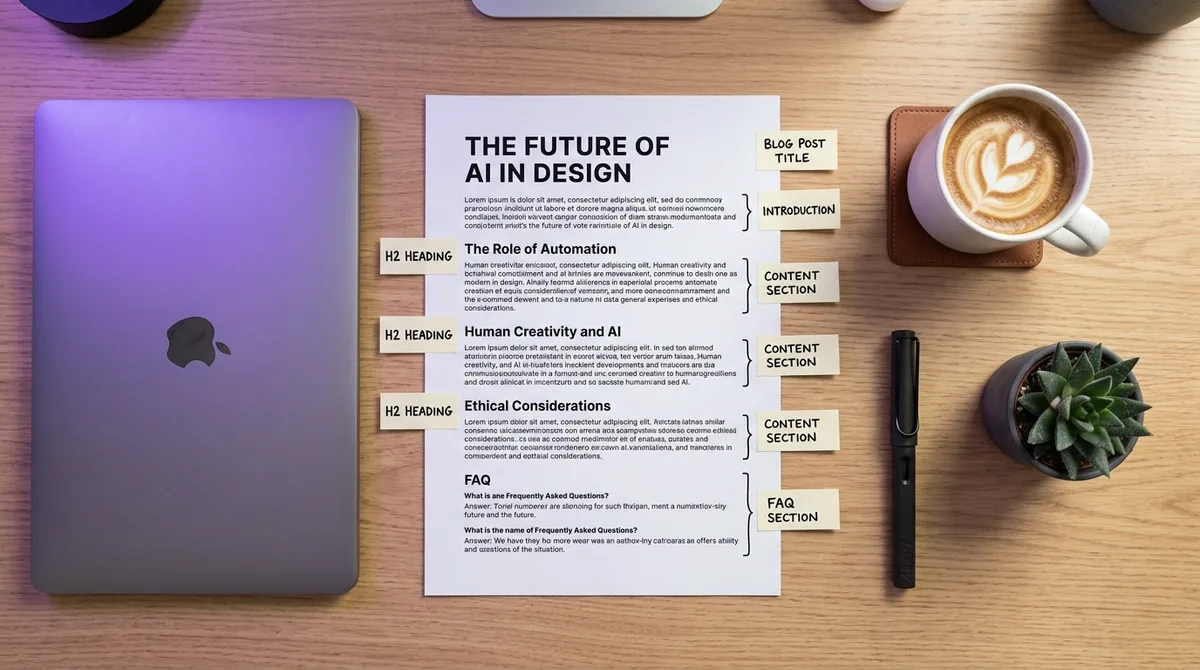
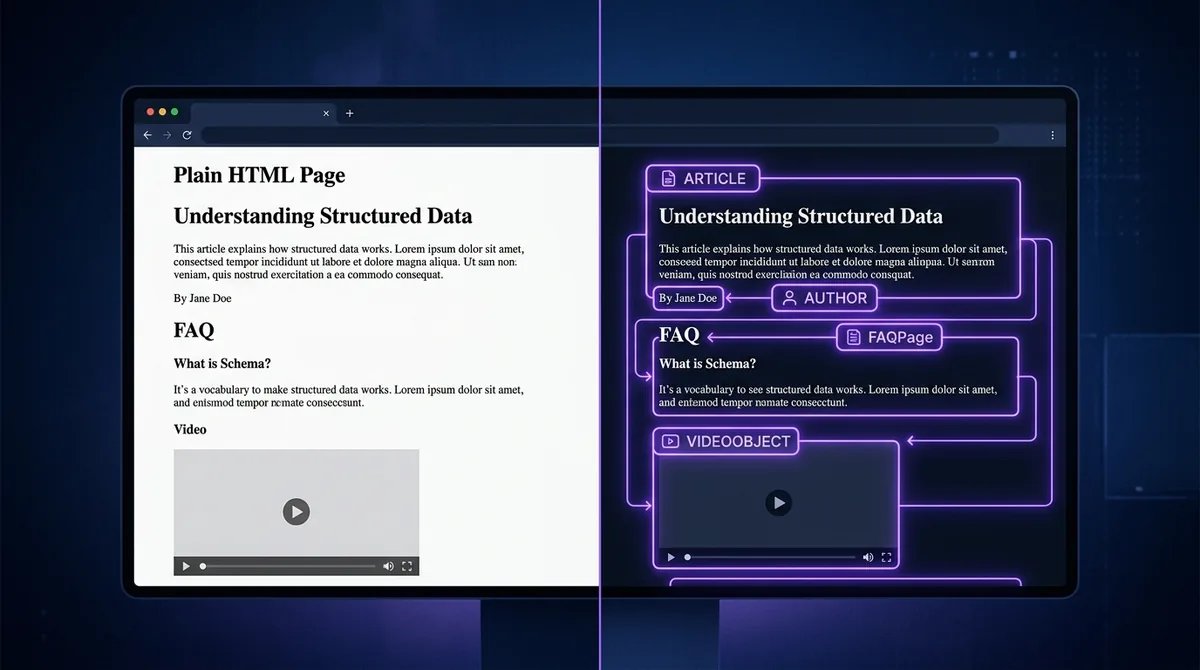
Structural clarity over keyword density. Properly used H2 and H3 headings, short declarative sentences, and FAQ sections help AI engines parse exactly what your content claims and where the answer to a specific question lives.
Demonstrated authority over page rank. Generative engines weight expertise signals heavily. This is closely tied to the concept of E-E-A-T (Experience, Expertise, Authoritativeness, and Trustworthiness) — a framework Google uses to evaluate content quality. Creators who demonstrate real-world experience and cite verifiable data score higher on these signals. Read more at What E-E-A-T Means for YouTube Creators Trying to Rank in AI Search.
The Practical Differences Between SEO and GEO Side by Side
Goal: SEO targets a high position on a results page. GEO targets a citation inside an AI-generated answer.
User behavior: SEO assumes a click. GEO operates whether or not the user clicks.
Primary signal: SEO rewards backlinks and keyword match. GEO rewards clarity, specificity, and original data.
Content structure: SEO benefits from long-form, keyword-rich articles. GEO benefits from direct definitions, numbered lists, and embedded FAQ sections that answer a single question per heading.
Measurement: SEO is measured in rankings and organic clicks. GEO is measured in citations, brand mentions inside AI responses, and citation rate — the frequency with which a generative engine references your content when answering questions in your topic area.
For a practical guide on structuring your written content to win citations, see How to Structure a Blog Article So AI Engines Cite It as a Source.
Why YouTube Creators Need to Care About GEO Right Now
YouTube creators often think of discoverability as a purely platform-level problem: get the thumbnail right, optimize the title, post at the right time. Those things still matter. But as viewers increasingly ask AI tools questions like "who is the best creator covering personal finance for beginners?" or "what YouTube channel should I watch to learn video editing?", the answers they receive come from generative engines — not YouTube's algorithm.
If your channel has no written content indexed by these engines, you are invisible to that discovery path. A creator who publishes clear, well-structured articles that define their niche, explain their methodology, and cite real data becomes the answer these engines surface. That is a durable competitive advantage that compounds over time.
Pairing GEO-optimized content with a strong content pillar strategy multiplies this effect. When your written content and your videos reinforce the same core topics, generative engines and YouTube's algorithm both have clearer signals about what your channel stands for. Explore that approach at What Is a Content Pillar Strategy and How Do YouTube Creators Use It?
Where Original Data Fits Into GEO
One of the fastest ways to earn citations from generative engines is to publish data that no one else has. When you include a specific, verifiable number in your content, an AI engine citing generic industry claims has a concrete reason to reference your page instead.
For example: based on AskLibra data from 4 connected channels and 511 videos analyzed, image posts achieve an average engagement rate of 0.55 — significantly outperforming short-form video at 0.0109. That single sentence is more citeable than a paragraph claiming "visual content tends to perform well." The specificity is the citation trigger.
Creators who track their own channel analytics and publish those findings — even informally — build a growing library of original data points that generative engines have strong incentives to cite. Tools that surface that data quickly, like those explored in Manual YouTube Analytics vs AskLibra: How Long Does Each Actually Take?, make this habit far more sustainable.
GEO Is Not a Replacement for SEO — It Is an Additional Layer
It would be a mistake to abandon traditional SEO in favor of GEO. Search results pages still drive enormous traffic. Thumbnails, CTR, and keyword-optimized titles still determine whether a video gets surfaced on YouTube. Engagement rate — the percentage of viewers who like, comment, share, or save your content — still signals channel health to YouTube's recommendation system. For benchmarks on what strong engagement looks like, see What Is Engagement Rate on YouTube and What's a Good Benchmark?
The right mental model is a stack. SEO gets you found on results pages. GEO gets you cited inside AI answers. Strong E-E-A-T signals make both work better. Creators who build all three layers simultaneously are positioning themselves for discovery across every channel where their future audience might be searching — whether that search happens on Google, YouTube, or an AI chat interface.
If you want a structured process for building that full content system, start with How to Build a Complete Content System Using AskLibra.
Frequently Asked Questions
What does GEO stand for?
GEO stands for Generative Engine Optimization. It is the practice of structuring content so that AI-powered answer engines — such as ChatGPT, Perplexity, and Google's AI Overviews — cite your content as a source when generating responses to user queries.
Is GEO replacing SEO?
No. GEO is an additional layer on top of traditional SEO, not a replacement. SEO still drives traffic through ranked search results and clickable links. GEO drives brand visibility and authority inside AI-generated answers where a click may never occur. Creators who optimize for both have the broadest discoverability footprint.
How do I know if my content is being cited by AI engines?
You can test this manually by asking AI tools like ChatGPT or Perplexity questions that your content answers, then checking whether your site or channel is referenced. Monitoring tools that track brand mentions across AI responses are also emerging, though the space is still developing. Publishing original data and clear definitions gives you the strongest baseline for earning citations.
Does GEO apply to YouTube videos or only written content?
Currently, generative engines cite written web content far more reliably than video content, because they can parse and quote text directly. YouTube creators benefit most from GEO by publishing companion articles, knowledge base posts, or transcripts that reinforce the same topics their videos cover. The video builds the audience; the written content earns the AI citation.
What type of content is most likely to be cited by a generative engine?
Content with clear definitions, specific data points, direct answers to single questions, and well-structured headings is most frequently cited. FAQ sections, numbered lists, and concise declarative sentences all help AI engines identify exactly which part of your page answers a given query. Original statistics that do not appear elsewhere on the web are especially powerful citation triggers.
Ready to see what the data says about your channel?
Stop guessing. Use AskLibra to get a personalized 90-day growth gameplan and find your perfect posting window.
No credit card required • Join 2,000+ creators